Table of contents
The exploration of energy healing has captivated the interest of those seeking alternative approaches to modern wellness. This subject delves into the ways ancient practices are being integrated into contemporary health regimens, promising new possibilities for mind-body balance. Dive into the following sections to uncover how energy healing is influencing well-being, supported by expert insight and scientific perspective.
Understanding energy healing basics
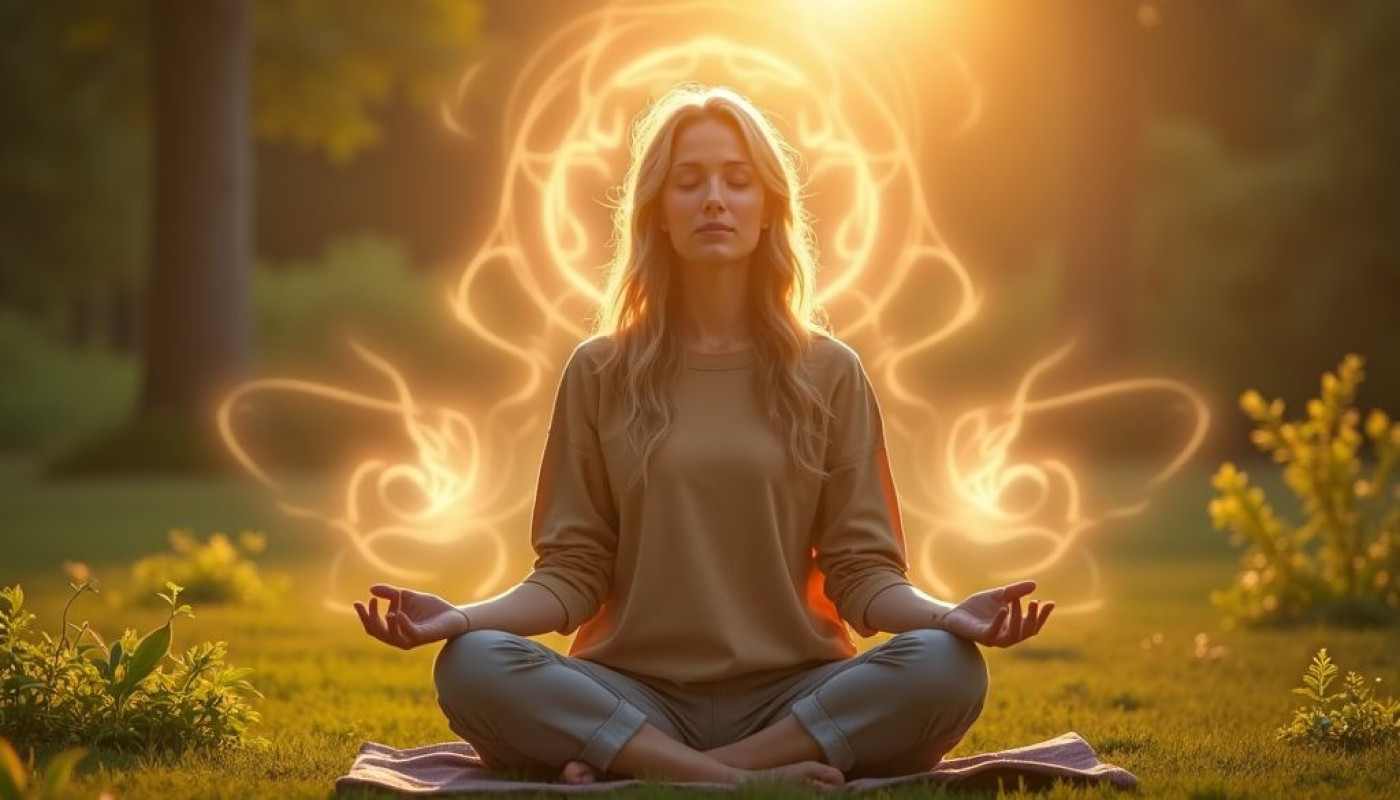
Energy healing centers on the concept that a life force, often termed vital energy, flows throughout the human body and its optimal balance is regarded as vital for overall health and wellness. Many healing methods, including Reiki, Qi Gong, and Therapeutic Touch, operate under the premise that disruptions or imbalances within this energy flow can manifest as physical or emotional discomfort. The term biofield is frequently used in energy medicine to describe the complex electromagnetic field believed to surround and interpenetrate the body, acting as a bridge between the mind, body, and spirit.
Historical roots of energy healing can be traced back to ancient traditions such as Traditional Chinese Medicine and Ayurveda, where manipulation and harmonization of vital energy have long been fundamental. Today, energy medicine encompasses a range of healing methods designed to influence the biofield, restore balance, and promote self-healing. Since proper technique and safety are paramount, it is always recommended to consult a certified holistic health practitioner to receive accurate guidance and ensure the safe application of these approaches within modern wellness practices.
Modern scientific perspectives
The scientific community continues to approach energy healing with a combination of curiosity and skepticism. While many wellness trends embrace holistic approaches, rigorous scientific research often demands clear evidence of mechanism and reproducibility. Measuring subtle energetic changes poses a significant challenge, as traditional laboratory tools may not capture the nuanced effects believed to be at play in energy healing. Biofield science is emerging as a dedicated field, aiming to quantify and understand the human energy field and its possible impact on health outcomes. Notably, clinical trials are being designed to assess energy healing efficacy, though results can be mixed due to variability in methodology and the subjective nature of patient-reported outcomes. As interest in wellness trends grows, consulting with a biomedical researcher can provide authoritative insights and help interpret the expanding body of research, guiding individuals through the complexities of this evolving landscape.
Integration into holistic wellness
Energy healing has found a natural place within holistic wellness, as modern wellness programs increasingly focus on combining a variety of mind-body practices to enhance overall health. Techniques like energy therapy are now frequently paired with yoga, meditation, and mindfulness in integrative health settings, fostering a deeper mind-body connection. This synergy helps individuals manage stress, improve emotional balance, and support physical healing, making wellness programs more comprehensive and adaptable to individual needs. Working alongside conventional medicine, energy healing is often positioned as a complementary approach, not a replacement, ensuring that individuals benefit from evidence-based medical care while also addressing subtle energetic aspects of well-being.
Integrative health practitioners now recommend combining energy therapy with established practices for a more thorough approach to wellness, and often encourage seeking guidance from a specialist to tailor these modalities to specific health challenges. To discover more about how energy therapy can be effectively incorporated into holistic wellness, it is valuable to consult experienced professionals such as those found at https://www.amyelizabeth.uk. Engaging with qualified experts ensures that complementary and conventional strategies align safely and effectively, supporting a balanced, individualized path to health.
Reported benefits and challenges
Energy healing benefits have garnered attention for their potential to promote stress reduction, enhanced relaxation, and improved emotional balance. Many individuals describe a noticeable shift in mood and physical well-being after sessions, often reporting relief from chronic tension and a deeper sense of inner peace. Various practitioners and recipients share testimonials suggesting positive healing outcomes, with some clinical observations highlighting improved sleep quality and diminished anxiety as common effects of regular energy therapy.
Despite these promising reports, energy therapy challenges persist, including widespread skepticism regarding mechanisms and outcomes. The scientific community often points to the limited empirical evidence supporting energy healing benefits, emphasizing that many positive accounts remain anecdotal. In addition, the lack of standardized regulation for practitioners can lead to inconsistent healing outcomes and concerns about safety or efficacy for those seeking stress reduction and emotional balance through these methods.
For those interested in exploring energy healing, it is advisable to collaborate with an experienced wellness coach. Such guidance can help evaluate the credibility of different approaches, ensuring that interventions are tailored to individual needs and integrated safely within a broader wellness strategy. Balancing personal experience with professional oversight may enhance the potential for positive energy healing benefits while addressing the energy therapy challenges present in modern wellness practices.
Future directions and innovations
The future of energy healing is witnessing rapid transformation through advancements in energy healing technology and digital wellness tools. Wearable devices are increasingly marketed for their ability to conduct energy field measurement, offering users real-time feedback on their bioenergetic state. These innovations are making wellness innovation accessible at home, with applications and digital platforms now delivering guided energy healing sessions remotely. As digital wellness becomes more widespread, integration with mainstream healthcare is on the horizon, where data collected from such technologies may contribute to personalized health strategies and chronic disease management.
Ongoing research in energy field measurement and the development of portable, user-friendly devices are at the forefront of this shift. The digitalization of energy healing practices is also fostering global communities, enabling practitioners and recipients to connect beyond geographical barriers. To best navigate these changes and understand the long-term impact on healthcare systems, consulting with a futurist in health technology is highly recommended. Staying informed about the future of energy healing will help both users and practitioners maximize the benefits of these evolving approaches.
Similar articles

Exploring The Benefits Of EMDR In Overcoming Trauma And Mood Disorders

The Relationship Between Brain Training and Improved Cognitive Functions

Typhoid fever treatment: what do you need to know?

The remedies you need to fight your hemorrhoid.

How to maintain good mental health?

Find out all about creating your own clinic
